
포트폴리오패션 · 액세서리
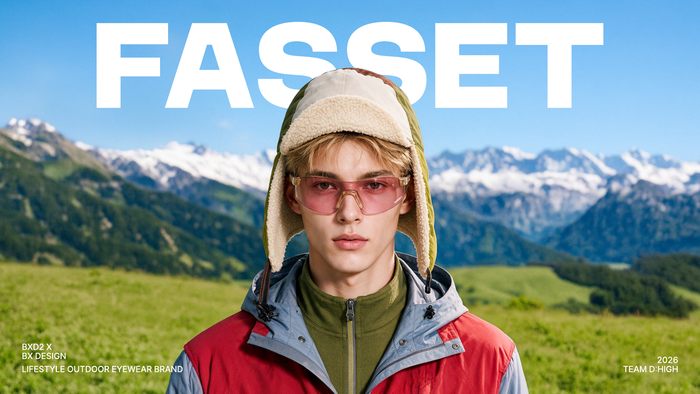
FASSET
파셋(FASSET)은 '당신만의 면(Facet)을 세우라'는 슬로건 아래, 아웃도어 환경에서 시야를 확보하는 기능성을 넘어 착용자의 다채로운 개성과 태도를 드러내는 스포츠 아이웨어 경험을 제안합니다.
아웃도어 아이웨어·스포츠 패션
알터(ALTR)는 '변화하다(Alter)'라는 의미를 바탕으로, 얼굴형이라는 기존의 정형화된 틀에 갇히지 않고 자신이 표현하고 싶은 페르소나와 착용 상황에 따라 안경을 탐색하도록 이끄는 아이웨어 큐레이션 브랜드입니다.
베소(BESO)는 외출 중 립 메이크업을 자주 수정해야 하지만 휴대 과정에서 제품을 분실하기 쉽다는 일상의 불편에서 출발합니다.
노웨어(KNOWHERE)는 개인의 고유한 패션 취향과 스타일링을 단순한 소비에 머무르게 하지 않고, 취향 태그를 매개로 유대감을 형성하는 커뮤니티 기반의 컨템포러리 패션 브랜드입니다.
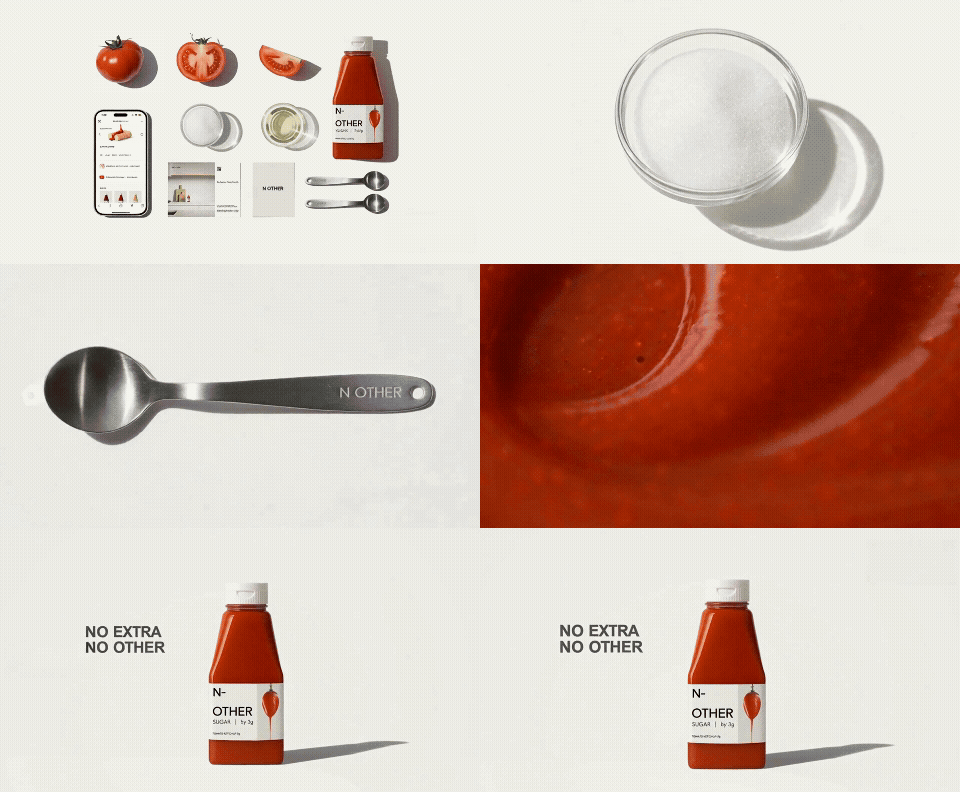
앤아더(N-OTHER)는 '불필요한 것은 덜어내고, 본질적인 기본을 다시 세운다'는 철학을 바탕으로, 과도한 당과 인공 첨가물을 배제한 저당 소스 솔루션을 제안합니다.
하이틴(hightin)은 복용하기 번거롭고 딱딱하게 느껴지던 건강기능식품을 언제 어디서나 가볍게 꺼내 먹는 간식처럼 친근한 웰니스 루틴으로 전환합니다.
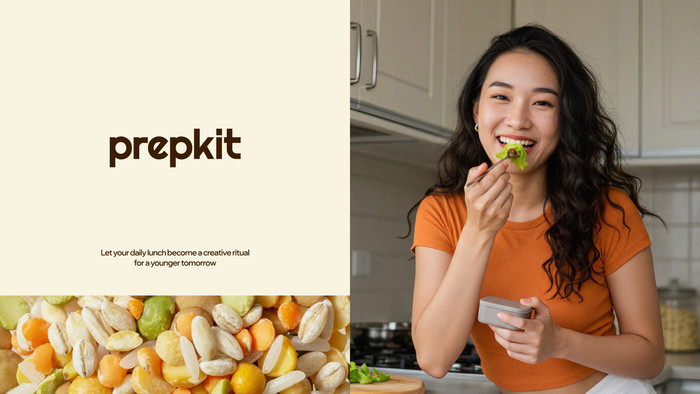
프렙킷(prepkit)은 개인의 건강 목표와 라이프스타일에 맞추어 필요한 영양소와 식재료를 블록처럼 조합할 수 있는 맞춤형 밀프렙 푸드테크 브랜드입니다.
라이프스타일 필드 위드 클라릿(Lifestyle filled with Clarit)은 복잡하고 과도한 스킨케어 단계를 덜어내고, 세심한 피부 설문과 진단을 통해 민감도·균형·수분·피부결에 최적화된 맞춤형 4단계 루틴을 제안하는 클린뷰티 브랜드입니다.
르보레(LEVORE)는 피부 건강을 새로운 차원으로 끌어올린다는 지향점을 바탕으로, 고효능 진단과 지속 가능한 리필 시스템을 결합한 하이엔드 스킨케어 경험을 제공합니다.
시선(SEESUN)은 강한 햇빛에 노출된 피부 상태를 스마트하게 감지하고 이에 맞춘 단계별 쿨링 및 진정 루틴을 제안하는 테크 기반 스킨케어 브랜드입니다.
드리븐(DRIVN)은 피부 관리를 복잡하고 어렵게 느끼던 남성들을 위해 명확한 알고리즘과 단계별 가이드를 제공하는 루틴 관리 스킨케어 브랜드입니다.
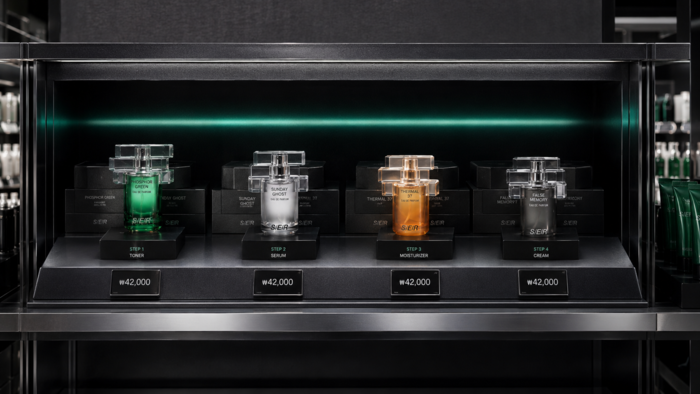
에스이알(S/E/R)은 'Sensory Error Reframe'이라는 컨셉 아래, 일상에서 스쳐 지나가는 감각의 오류나 낯선 자극을 새로운 향의 경험으로 재정의합니다.
선스쿱스(sunscoops!)는 바르기 번거롭고 답답하던 자외선 차단 과정을 주머니 속에 넣고 언제든 유쾌하게 덧바르는 경쾌한 아웃도어 라이프스타일로 바꿉니다.
액시스(AXIS)는 타인의 기준이 아닌 자신만의 명확한 중심축과 경계를 설정하는 현대인을 위한 패션 액세서리 브랜드입니다.
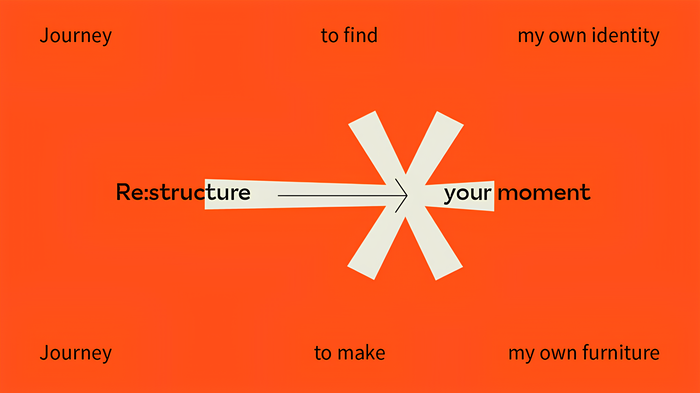
리먼트(Re:ment)는 획일화된 주거 공간과 가구 형태에서 벗어나, 사용자의 변화하는 라이프스타일과 공간 구조에 맞추어 자유롭게 확장·변형할 수 있는 모듈형 맞춤 가구 브랜드입니다.
결(KYOL)은 한국 고유의 단아한 선과 여백의 미학을 현대인의 피부 결 및 개인별 취향에 맞춘 퍼스널 뷰티 솔루션과 결합한 하이엔드 코스메틱 브랜드입니다.
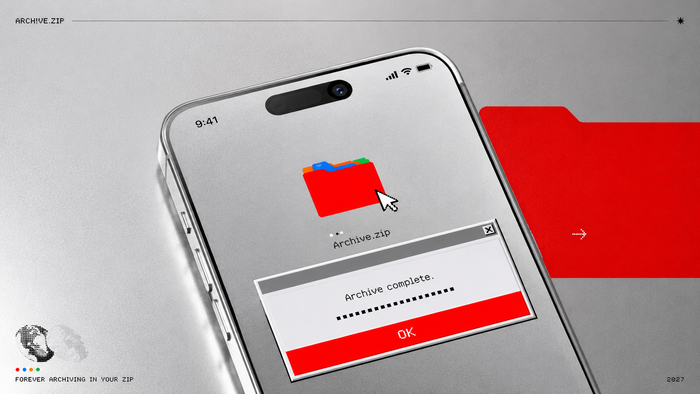
아카이브집(archivezip)은 인터넷과 SNS 공간에 파편화되어 흩어져 있는 패션 기록과 컬렉션 데이터를 압축 파일(ZIP)처럼 체계적으로 수집하고 열람하도록 돕는 플랫폼입니다.
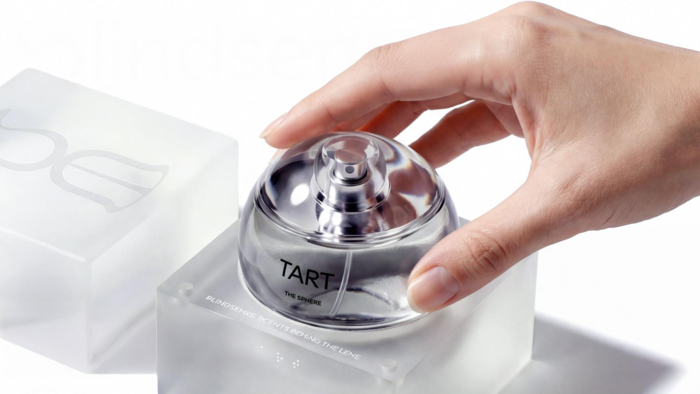
블라인드센스(blindsense)는 화려한 비주얼이나 마케팅적 편견을 덜어내고, 오직 순수한 후각과 촉각에 의지해 향을 탐색하도록 이끄는 니치 퍼퓸 브랜드입니다.
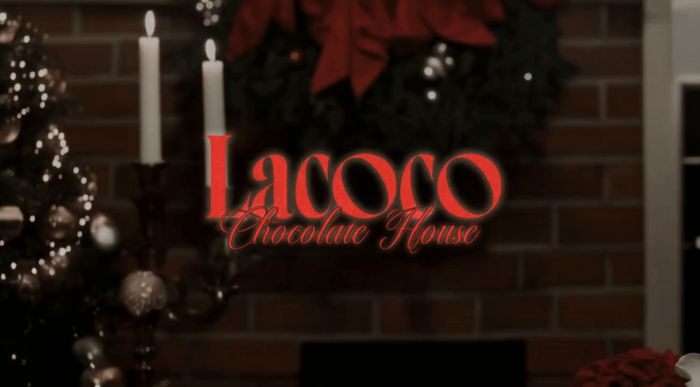
라코코(Lacoco)는 달콤한 초콜릿의 미각적 즐거움과 사랑의 따스한 기억을 결합하여, 특별한 순간을 기념하는 감성적인 선물 경험을 제안하는 디저트 하우스입니다.
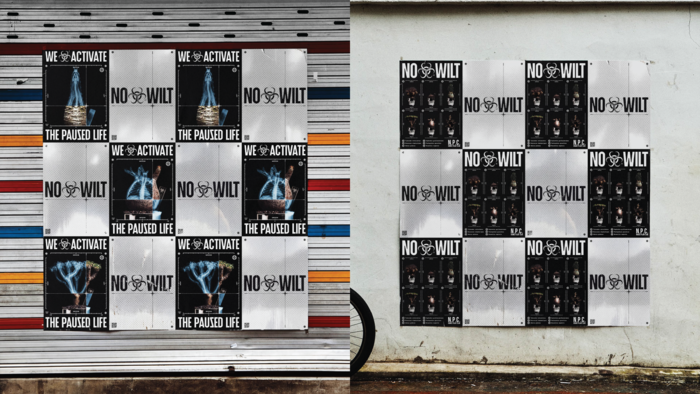
노 윌트(NO WILT)는 '우리는 멈춰버린 생명을 다시 깨운다'는 당찬 선언 아래, 시들고 방치된 실내 식물을 적극적으로 회복시키는 가드닝 솔루션 브랜드입니다.
RESOURCE LIBRARY
추천 레퍼런스
글로벌 브랜드 아이덴티티 및 디자인 프로젝트
브랜드 전략 및 인터랙티브 비주얼 시스템 사례
트렌디한 글로벌 그래픽 및 브랜드 디자인 아카이브
실제 인쇄 및 디지털 매체 속 폰트 적용 사례
글로벌 기업의 최신 리브랜딩 사례와 비평 확인
글로벌 패키지 디자인 트렌드 및 지속 가능성 사례
디지털 브랜드 경험을 위한 최신 웹 디자인
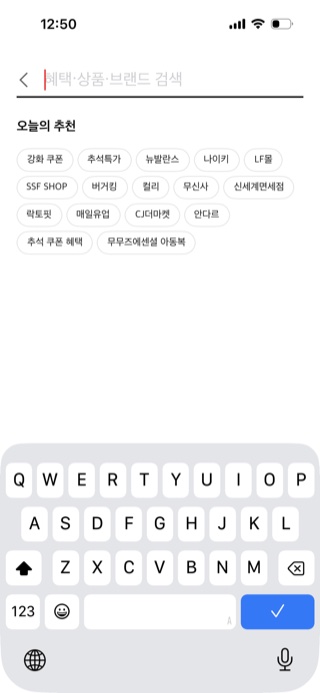
실제 서비스의 모바일 UI/UX 패턴과 플로우
01 / CAREER
내 일은 어떻게 달라질까?
가정 시점순
기간·수준은 기존 비교용 시나리오 기준입니다.
AI 타이머 전체 보기02 / MAJOR
내 전공에서 어떤 진로로 이어질까?
브랜딩과 연결되는 전공
학위·자격·추가 학습 조건은 상세에서 확인하세요.
전공별 진로 전체 보기03 / MODEL
브랜딩 업무에 어떤 모델을 쓸까?
브랜딩 기준
Artificial Analysis · AA-II-v4.3.2
2026-10-13 · 평가 후보 31개 기준
작업에 바로 쓰는 명령어
프로젝트 착수 전 목표와 작업 범위 합의
Convert the raw brief into a decision-ready project charter rather than a list of desired design outputs. Separate the business objective, audience behavior to…
원문 확인경쟁 조사 시작 전 직접 경쟁사와 대체재 선별
Classify alternatives by the problem they solve, the audience they serve, and the situation in which customers choose them. Distinguish direct competitors, adjacent…
원문 확인고객 조사 착수 전 인터뷰 목적과 대상 설계
Design a qualitative study around the decisions the team needs to make, not a general desire to know customers better. Match each research question to a participant…
원문 확인설문 설계 전 추상적 가설의 측정 항목 구체화
Translate each abstract construct into observable measures that fit the decision being made. Separate attitudes, intentions, self-reported behavior, and recorded…
원문 확인디자인 변경 요청의 원인과 해결 범위 진단
Build a diagnostic tree for the reported symptom and separate possible brand, product, pricing, distribution, and service causes. Trace each branch to an observable…
원문 확인시장 조사 시작 전 조사 범위와 핵심 질문 설정
Define the market from the customer problem and available substitutes rather than relying only on an industry label. Compare narrow, adjacent, and broader category…
원문 확인브랜드 약속 수립 전 경쟁사의 주장과 증거 비교
Extract the main promise each competitor makes and identify the customer problem, benefit, tone, and proof behind it. Compare what is stated explicitly with what the…
원문 확인인터뷰 참여자 모집 전 경험 조건과 선별 질문 정리
Write a screener that identifies relevant recent behaviors without revealing the answers that qualify a participant. Separate essential eligibility from useful…
원문 확인아이디어 확정 전 검증 가능한 가설 정리
Write six falsifiable hypotheses connecting a specific audience, situation, unmet need, proposed brand behavior, and observable response. Distinguish desirability…
원문 확인낯선 업종 진입 전 거래 구조와 가치 흐름 파악
Map how products, money, information, and trust move through the industry from upstream suppliers to end users. Identify intermediaries, gatekeepers, margin…
원문 확인고객의 추상적 답변을 실제 선택 경험으로 구체화
Create a semi-structured interview focused on the participant's most recent real experience. Reconstruct the trigger, alternatives, decision, action, frustration…
원문 확인설문 제작 단계의 유도 질문 제거와 응답 흐름 정리
Build a survey that moves from concrete recent behavior to evaluation and optional background questions. Remove leading wording, double-barreled questions, false…
원문 확인 토스
 카카오뱅크
 신한 SOL
 카카오페이